

Topics
How Osteoporosis Affects Quality of Life Osteoporosis Is Not Just for the Elderly Osteoporosis Treatment Take Action NowNo one wants to experience old age with limited mobility, constantly relying on others for daily activities. Therefore, it is crucial to prevent osteoporosis, a condition whose symptoms are often unnoticed until it's too late.
Osteoporosis is a condition where bones gradually lose their density, making them more fragile and prone to fractures, even from minor impacts. Healthy bones have a solid structure, while in osteoporosis, bones become porous, with small cavities expanding like a honeycomb. This condition develops slowly over the years and often shows no symptoms until the bones are damaged or fractured.
The thinning of bones occurs because the outer layer becomes weaker and thinner than it should be, causing bones to lose strength and easily break from minor trauma. Fractures commonly occur in areas vulnerable to osteoporosis, such as the hips, wrists, and spine. Unfortunately, some bones, particularly the hip, may not heal fully once damaged.
While osteoporosis is often considered a natural part of aging, it can actually be prevented or its progression slowed. Many people don’t realize they have a decrease in bone density until they experience a fracture. That’s why it’s crucial to recognize the risks early and take the right preventive measures.
How Osteoporosis Affects Quality of Life
Osteoporosis is not like temporary aches or pains that quickly subside with rest; it’s a serious condition that can significantly diminish quality of life. From worsening pain and fractures to stress and depression, osteoporosis can lead to debilitating consequences.
- Pain
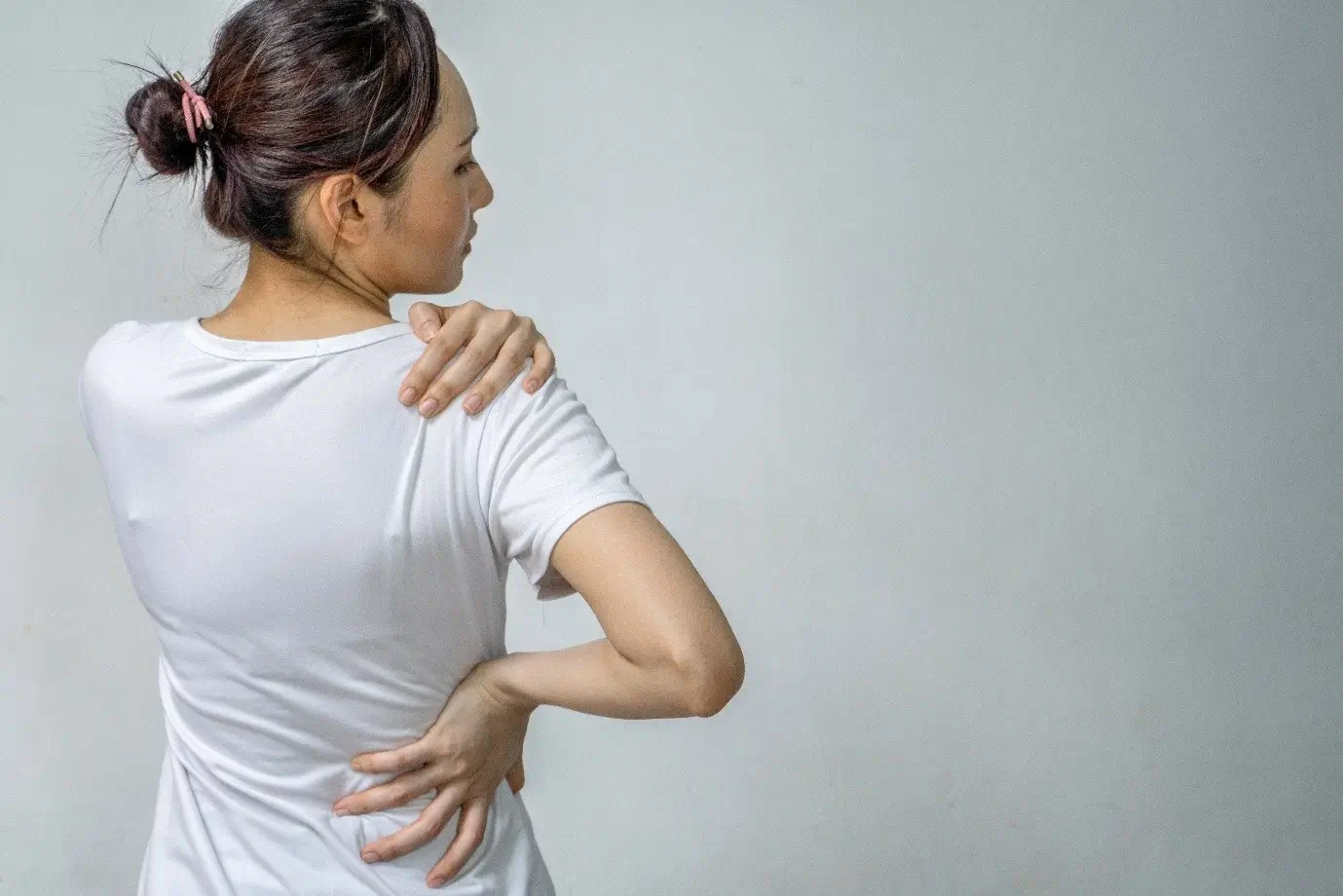
As osteoporosis progresses, it often causes localized bone pain, especially in areas like the back, hips, neck, shoulders, and legs. - Bone Fractures
Reduced bone density makes bones more fragile, making them susceptible to fractures from even minor accidents, such as a fall or slip. Hip fractures are particularly common in people with osteoporosis. - Compression Fractures
The spine is highly vulnerable to osteoporosis. Many sufferers experience compression fractures, where the vertebrae collapse due to bone thinning. These fractures often occur during daily activities like bending over or lifting heavy objects. - Balance Issues
Pain from osteoporosis can make the body stiff and harder to move, which negatively affects balance. This increases the risk of falls, leading to further fractures and creating a painful cycle. - Coronary Heart Disease
If left untreated, osteoporosis can also affect heart health, particularly by increasing the risk of coronary artery disease. The rapid bone loss raises calcium levels in the blood, which contributes to plaque buildup in blood vessels, causing atherosclerosis, and potentially leading to heart disease. - Aesthetic Changes
Compression fractures in the spine can cause a loss of height, sometimes up to 15-20% of a person’s original height. This occurs as the vertebrae stack on top of one another. In some cases, it can also cause kyphosis (a forward curvature of the spine), often referred to as a hunchback. - Stress and Depression
Osteoporosis doesn’t just affect physical health but can also impact psychological well-being, particularly in the elderly. Difficulty in moving or performing daily activities can reduce quality of life, leading to stress and depression.
Osteoporosis Is Not Just for the Elderly
Though often associated with older adults, osteoporosis can affect individuals over the age of 40, especially women who have reached menopause. Studies show that about 23% of women aged 50-80 in Indonesia experience decreased bone density, putting them at risk for osteoporosis.
In addition to age, several other factors contribute to the risk of osteoporosis:
- Gender
Did you know that gender plays a role in the risk of osteoporosis? Women are at a much higher risk than men, with a risk four times greater, particularly among Caucasian and Asian women. This is due to women having lower bone mass and generally smaller body sizes, which affects bone density. - Body Size
In addition to gender, body size also impacts the risk of osteoporosis. Individuals with smaller or thinner bodies, regardless of gender, are more prone to osteoporosis than those with larger, more muscular builds. - Hormonal Changes
Declining estrogen levels after menopause or due to medical treatments like ovarian surgery or chemotherapy can disrupt bone formation. In men, low testosterone levels also increase the likelihood of osteoporosis. - Family History
If you have a family member with osteoporosis, your risk of developing the condition is higher. Genetics plays a significant role in this disease. - Vitamin D Deficiency
Vitamin D is essential for calcium absorption, which is needed to maintain bone strength. Without adequate vitamin D, the body struggles to absorb calcium, increasing the risk of osteoporosis. - Calcium Deficiency
Calcium is a vital mineral for bone health. A prolonged lack of calcium can weaken bones and significantly increase the risk of osteoporosis. It can also lead to other health issues such as muscle cramps, nerve problems, and heart conditions. - Hypoparathyroidism
Hypoparathyroidism is a condition where the body lacks parathyroid hormone, which regulates calcium levels. Low levels of this hormone prevent the body from maintaining adequate calcium levels, leading to bone thinning. Treatment often involves hormone therapy, medication, and calcium and vitamin D supplements to help improve bone health and prevent further damage.
Osteoporosis Treatment
Several approaches can be used to treat osteoporosis, including medications, physical therapy, and healthy eating habits.
- Medications
If you are diagnosed with osteoporosis, your doctor will design a treatment plan tailored to your specific health needs. Common treatment options include: - Bisphosphonates
These medications, available in tablet or injection form, slow down the bone loss process. They help maintain bone density and reduce the risk of fractures. - Monoclonal Antibodies
These medications help preserve bone density and reduce the risk of further bone damage. Typically administered via injection every six months. - Hormone Therapy
If osteoporosis is caused by a drop in certain hormone levels, hormone therapy may help balance these levels and slow the loss of bone density. - Increasing Calcium and Vitamin D Intake
Calcium is crucial for bone strength, and vitamin D helps the body absorb calcium. Both can be obtained through foods like milk, cereals, or supplements recommended by your doctor. - Physical Therapy
A study by the Training Muscle and Osteoporosis Rehabilitation (LIFTMOR) recommends High-intensity Resistance and Impact Training (HiRIT) as an effective way to improve bone health. This program involves high-intensity training, carried out twice a week, with each session lasting 30 minutes, at about 80–85% of maximum repetition. The exercises include muscle-strengthening movements such as:- Deadlift: lifting a weight from the floor to a standing position with a straight back.
- Overhead press: pressing a weight upward from the shoulders to above the head.
- Back squat: squatting with a weight on the back, as if sitting on a chair, then standing up again.
- Jumping chin-ups with drop landing: jumping to perform a chin-up, then landing softly while bending the knees to absorb the impact.
- Healthy Diet and Routine
Consuming foods rich in calcium and vitamin D is essential. Good sources of these nutrients include milk, cheese, fatty fish, broccoli, spinach, green vegetables, bananas, oranges, nuts, and sardines. Additionally, adopting a balanced lifestyle by avoiding smoking and excessive alcohol consumption, exercising regularly, and undergoing regular bone density tests can help detect osteoporosis early and allow for timely treatment and prevention.
Each movement is performed in 5 sets of 5 repetitions per set. This program has been proven to increase muscle strength, which in turn is associated with improved bone mass and enhanced functional performance, particularly in postmenopausal women with low bone density.
It’s important that individuals with osteoporosis follow a proper, measured exercise regimen according to their doctor’s recommendations. Before starting an exercise program, it’s best to consult with a sports doctor to ensure the exercises are appropriate for your condition.
Take Action Now
Understanding the various risk factors for osteoporosis is crucial to taking the right preventive measures early, especially as we age. Maintaining bone health is not just about preventing fractures, but also ensuring a better quality of life in the future.
If you have concerns about your bone health or are at high risk for osteoporosis, make an appointment with one of the best orthopedic specialists at an IHH Healthcare Malaysia hospital. With advanced medical facilities and a team of top specialists, we will tailor an osteoporosis treatment plan to meet your needs. Contact us to schedule an appointment and take the first step toward stronger bones, better health, and an improved quality of life!